The Cure for the Modern Soul: Why We Must Return to Our Mountains
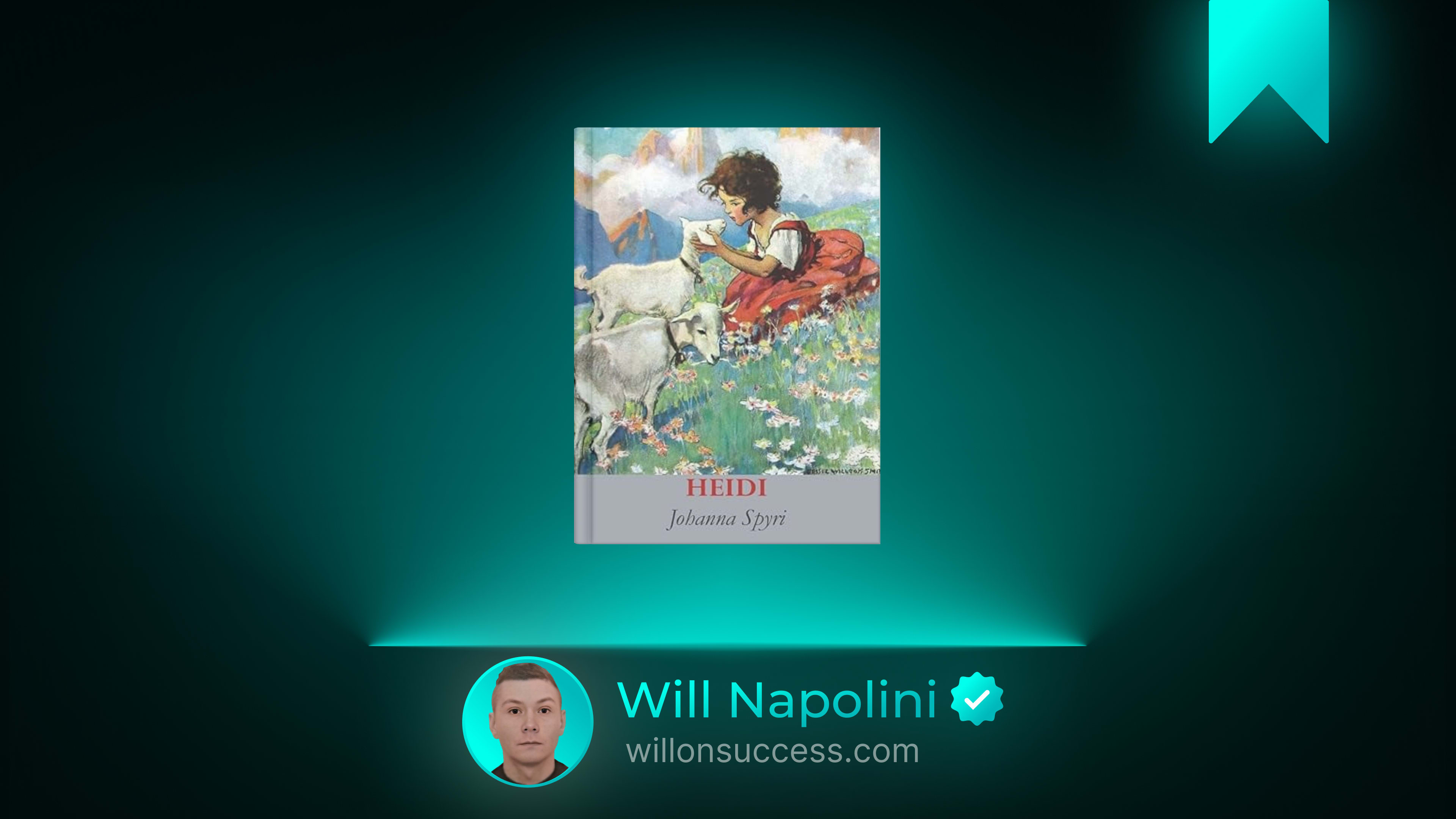
There is a specific kind of exhaustion that comes from living in a beautiful cage.
You know the feeling. You have built a life that looks successful from the outside. You have the comfortable routines, the respected title, and the secure environment that society tells you to want. But underneath the polished surface, you feel a quiet, persistent draining. You feel disconnected from the earth, disconnected from your own body, and strangely distant from the people closest to you.
If I could sit across the table from you, I would ask you to consider a difficult question: What if the very things you have worked so hard to acquire are the exact things starving your soul?
We live in an era that promises us that if we just accumulate enough wealth, optimize our schedules, and secure our status, we will finally be at peace. But there is a dangerous assumption hiding inside that promise. We assume that human beings are machines that just need better fuel and better management. We forget that we are living creatures, deeply tied to the rhythms of the earth and the simple, unstructured presence of other people.
What if the cure for your deepest exhaustion is not found in another productivity hack or a more luxurious lifestyle, but in a radical return to simplicity?
The Big Idea
Johanna Spyri’s Heidi is universally beloved as a classic children’s story about a little girl in the Swiss Alps. But beneath the pastoral imagery and the simple narrative, it is a profound psychological exploration of what actually sustains human life.
The central thesis of the book is that our deepest wounds are not healed by accumulating more wealth, status, or rigid control. They are healed by returning to the natural, grounding rhythms of the world, and by the courageous, unconditional love required to break down the walls of our own isolation. It teaches us that true vitality comes from simplicity, and that the most powerful medicine we possess is often the environment we choose to inhabit.
The Story and the Concept
The story begins with an orphaned five-year-old girl named Heidi being sent to live with her grandfather, a man the local villagers call the “Alm-Uncle.” He lives high up in the mountains, entirely isolated from the community. The villagers believe he is bitter, dangerous, and beyond redemption, so they leave him alone.
But Heidi does not know she is supposed to be afraid of him. She climbs the mountain, looks at him with absolute trust, and asks to stay. Through her simple, unguarded affection, the hardened old man’s defenses slowly melt. He finds joy in caring for her, and she finds absolute freedom running through the alpine meadows with a local goatherd named Peter.
Years later, Heidi is taken away from the mountains and sent to the wealthy city of Frankfurt. She is hired as a companion for Clara Sesemann, a wealthy, wheelchair-bound girl who lives in a massive, heavily regulated mansion. Clara’s household is filled with luxury, strict rules, and emotional sterility. Heidi is given fine clothes, endless food, and a warm bed. But she is trapped. The city air is heavy, the buildings block the sun, and the rigid expectations of her caretaker, Miss Rottenmeier, crush her spirit. Heidi becomes deeply depressed, eventually developing a sleepwalking habit born of profound homesickness and distress.
When her condition is discovered, Heidi is sent back to the mountains. Her spirit immediately returns. Later, Clara is invited to visit the Alps. Surrounded by the fresh air, the lack of rigid schedules, and Heidi’s infectious vitality, Clara begins to thrive. In a pivotal moment, inspired by the beauty of the mountain and her desire to join Heidi, Clara forces herself to stand on her own two legs, and eventually learns to walk.
The book ends with the Alm-Uncle finally leaving his isolation. He walks down to the village, attends the community gathering, and is welcomed back into the society he had fled decades earlier.
The Fortress of Isolation: Why We Hide and How to Come Home
When Heidi arrives at the mountain hut, her grandfather is not just a grumpy old man. He is a man carrying a heavy history. He had made mistakes in his youth, faced harsh judgment, and eventually decided that the safest way to live was to disappear. He built a physical fortress in the mountains, but more importantly, he built an emotional fortress around his heart.
I have seen this happen to so many good, capable people.
You experience a failure, a betrayal, or a deep misunderstanding, and you decide that vulnerability is too dangerous. You retreat. You focus entirely on your work, your routines, and your independence. You convince yourself that you do not need anyone, and that isolation is just another word for strength.
But isolation is not strength. It is a wound trying to protect itself from getting hurt again.
The brilliance of Heidi’s approach is that she does not try to argue the Alm-Uncle out of his bitterness. She does not debate the villagers’ rumors. She simply shows up. She offers him unconditional presence. She asks questions. She shares her meals. She looks at him as though he is entirely worthy of love, despite his rough exterior.
Character before circumstances means understanding that your past does not dictate your future, and your current defenses do not have to become your permanent home. If you have spent years building a fortress of isolation, you cannot expect a grand, dramatic apology from the world to bring you back into the light. Healing begins when you allow one person—just one—to see you without your armor.
You do not have to fix your entire past today. You just have to let someone hand you a cup of tea and sit with you in the quiet. Connection is the antidote to exile.
The Sickness of the Artificial: When Luxury Becomes a Prison
The most jarring shift in the book is Heidi’s move to Frankfurt. On paper, her life improves drastically. She goes from sleeping on a pile of straw in a drafty hut to living in a mansion with servants, hot meals, and formal education.
But Spyri is incredibly precise in showing us that material comfort without natural rhythm is a form of starvation.
In the Sesemann household, everything is controlled. The windows are kept shut to keep out the city dust. The schedules are rigid. The interactions are governed by strict etiquette. Heidi is not allowed to run, to ask questions about the sky, or to speak to the servants. She is given everything a child could materially want, but she is denied the open space, the fresh air, and the sense of purpose that actually made her feel alive.
The result is not just sadness; it is a physical illness. Heidi begins to sleepwalk. She wanders the dark hallways of the mansion, trying to open doors that are locked, subconsciously searching for her mountains.
We have our own Frankfurts.
You may be living in a version of it right now. You have a job that pays well but demands that you suppress your true personality. You live in a city where you never see the stars. You fill your hours with digital distractions and endless obligations, locking the windows of your mind to keep out the discomfort of silence. You tell yourself that this is what success requires. You tell yourself that if you just endure the artificiality for a few more years, you will finally be happy.
But your spirit will eventually start sleepwalking. It will manifest as chronic fatigue, unexplained anxiety, a loss of creativity, or a sudden, overwhelming urge to escape.
Principles before hacks demands that we recognize the limits of material optimization. You cannot cure a soul-sickness with a better mattress or a higher salary. You need the wind. You need the dirt. You need the unstructured, unmonetized space where your mind is allowed to wander. If you are trapped in a beautiful cage, the first step to healing is not decorating the cage. It is finding the handle on the door.
The Mountain Air: Environment is the Ultimate Medicine
When Heidi returns to the Alps, her recovery is immediate. The color returns to her cheeks. Her sleep deepens. Her laughter echoes across the valley.
Spyri wrote this book in the late 19th century, a time when the industrial revolution was rapidly pulling people away from the land and into crowded, smog-filled cities. She saw what was being lost, and she wrote Heidi as a testament to the healing power of the natural world.
But this is not just a romanticized view of nature. It is a biological and psychological reality.
When you are in a high-pressure, artificial environment, your nervous system is locked in a state of chronic vigilance. You are constantly processing data, navigating social hierarchies, and reacting to digital notifications. Your brain is never allowed to power down.
When you step into a natural environment—a forest, a mountain trail, the edge of the ocean—your brain shifts gears. The fractal patterns of leaves, the sound of the wind, and the vastness of the horizon physically lower your cortisol levels. You are reminded that you are part of a much larger, slower ecosystem. Your urgent, manufactured deadlines shrink back to their proper size.
Growth before achievement means understanding that you cannot sustain high performance or deep joy if your environment is actively working against your biology. You must guard your access to the natural world as fiercely as you guard your bank account. It is not a luxury; it is a requirement for a functioning human mind.
The Contagion of Vitality: How One Person’s Joy Can Break Another’s Chains
Clara Sesemann is one of the most heartbreaking characters in the book. She is wealthy, loved, and entirely trapped. She is confined to a wheelchair, not just by her physical weakness, but by the overwhelming anxiety of the adults around her. Her doctor and her governess treat her like fragile glass. She is never allowed to try, to fail, or to push her limits.
When Clara arrives in the mountains, the dynamic shifts entirely. Heidi does not pity Clara. She does not treat her like a delicate invalid. She treats her like a friend. She shows her the goats, the flowers, and the sunsets.
Surrounded by the fresh air and the lack of rigid schedules, Clara’s body begins to change. But the real breakthrough happens internally. Watching Heidi run through the meadows, Clara feels a deep, burning desire to participate in the life around her. She wants to stand. She wants to be part of the mountain. With Heidi’s encouragement and the physical strength she has built in the fresh air, Clara pushes herself up, and takes her first steps.
This is the profound truth about human potential: we often rise or fall based on the beliefs of the people around us.
If you surround yourself with people who treat you as broken, fragile, or limited, you will begin to believe them. You will stay in the wheelchair of your own potential because it feels safe. But if you surround yourself with people who possess genuine vitality—who invite you to stretch, who believe in your strength, and who treat your limitations as temporary—you will find the courage to stand.
And conversely, you must ask yourself: Are you the person treating your friends, your children, or your colleagues like fragile glass? Are you inadvertently keeping them in the wheelchair by refusing to let them take risks? True love is not always protecting someone from every hardship. Sometimes, true love is holding out your hand and saying, “I believe you can walk. Let’s try.”
Why This Matters in Your Life
You might be reading this and thinking, I do not live in a Swiss Alps, and I am not hiding a secret goatherd.
But you have your own mountains to climb, and your own Frankfurts to escape.
You are trying to build a meaningful life in a culture that constantly tries to pave over your instincts. You are trying to maintain your mental health in an environment that profits from your constant distraction. You are trying to find genuine connection in a world that encourages you to hide behind polished, artificial profiles.
If you try to navigate these challenges by just working harder, optimizing your schedule, and accumulating more security, you will eventually break. You will find yourself sleepwalking through your own life, desperately searching for a door that you locked yourself out of years ago.
But when you choose to prioritize the natural, the simple, and the authentic, you change the entire trajectory of your well-being.
In your career, this means recognizing when a high-paying role is actually costing you your sanity, and having the courage to step back into a simpler, more grounded life. In your relationships, it means dropping the emotional etiquette and allowing someone to see your messy, unpolished truth. In your personal growth, it means realizing that healing is not found in a complex, expensive system, but in the quiet, daily practice of returning to the earth and letting the wild air fill your lungs.
Practical Application
Understanding the philosophy of natural healing is valuable, but understanding without action changes nothing. If you want to stop sleepwalking through your artificial life and start breathing again, here is how you begin.
Audit Your Frankfurt Take a piece of paper and write down the environments, routines, and obligations that feel like a beautiful cage. Where are you following rigid rules that are crushing your spirit? Where are you prioritizing material status over your mental health? You do not have to quit your job or sell your house today. But you must clearly identify the sources of your artificiality so you can start building boundaries around them.
Find Your Mountain Air You do not need to move to the Alps to benefit from nature. You just need to interrupt the artificial environment. Commit to spending thirty minutes every single day outside, with no phone, no music, and no agenda. Walk in a local park. Sit by a river. Look at the trees. Let your nervous system remember what it feels like to exist outside of a building.
Dismantle One Fortress If you have isolated yourself like the Alm-Uncle, choose one small bridge to rebuild. You do not have to apologize to the entire village today. Just send one text message. Make one phone call. Invite one person to coffee. You do not have to explain your absence. You just have to open the door a crack and let someone see you.
Invite Someone to Walk Think of someone in your life whom you have been treating as fragile, or whom you have been keeping at a distance because you think they cannot handle the truth. Find one way to include them in your real life. Ask for their help. Share a difficult project with them. Give them the chance to stand on their own two legs, and be the person who cheers when they do.
Who Should Read This Book
Heidi is essential reading for anyone who feels entirely burnt out by the demands of modern, urban, or corporate life. It is for the person who has achieved their external goals but feels hollow inside, and for the person who has built walls of isolation and is quietly hoping someone will climb the mountain to find them.
It is a 19th-century children’s book, so modern readers might find the pacing slow or the sentimentality heavy at times. It does not offer tactical frameworks or business strategies. But if you are willing to read it slowly and let its simple rhythm wash over you, it will hold up a mirror to your own life. It will challenge your definition of success and remind you of the deep, ancient medicine that lives in the dirt, the sky, and the unguarded heart.
One Small Step
Today, I want you to leave your devices behind and step outside for ten minutes.
Do not bring your phone. Do not bring a podcast. Just walk until you find a patch of grass, a tree, or a stretch of sky. Put your hand on the bark of the tree or feel the dirt under your shoes. Take one deep breath, and silently acknowledge that you are part of the living world, not just the digital one.
You do not need to climb a literal mountain to find your way back to yourself. You do not need to abandon your responsibilities to find peace. You just need the courage to leave the beautiful cage, even for a few minutes, and let the wild air remind you of who you were before the world told you to sit still.
The mountain is waiting for you. And the path home is always closer than you think.