The Cupboard and the Castle: How to Leave the Place That Keeps You Small
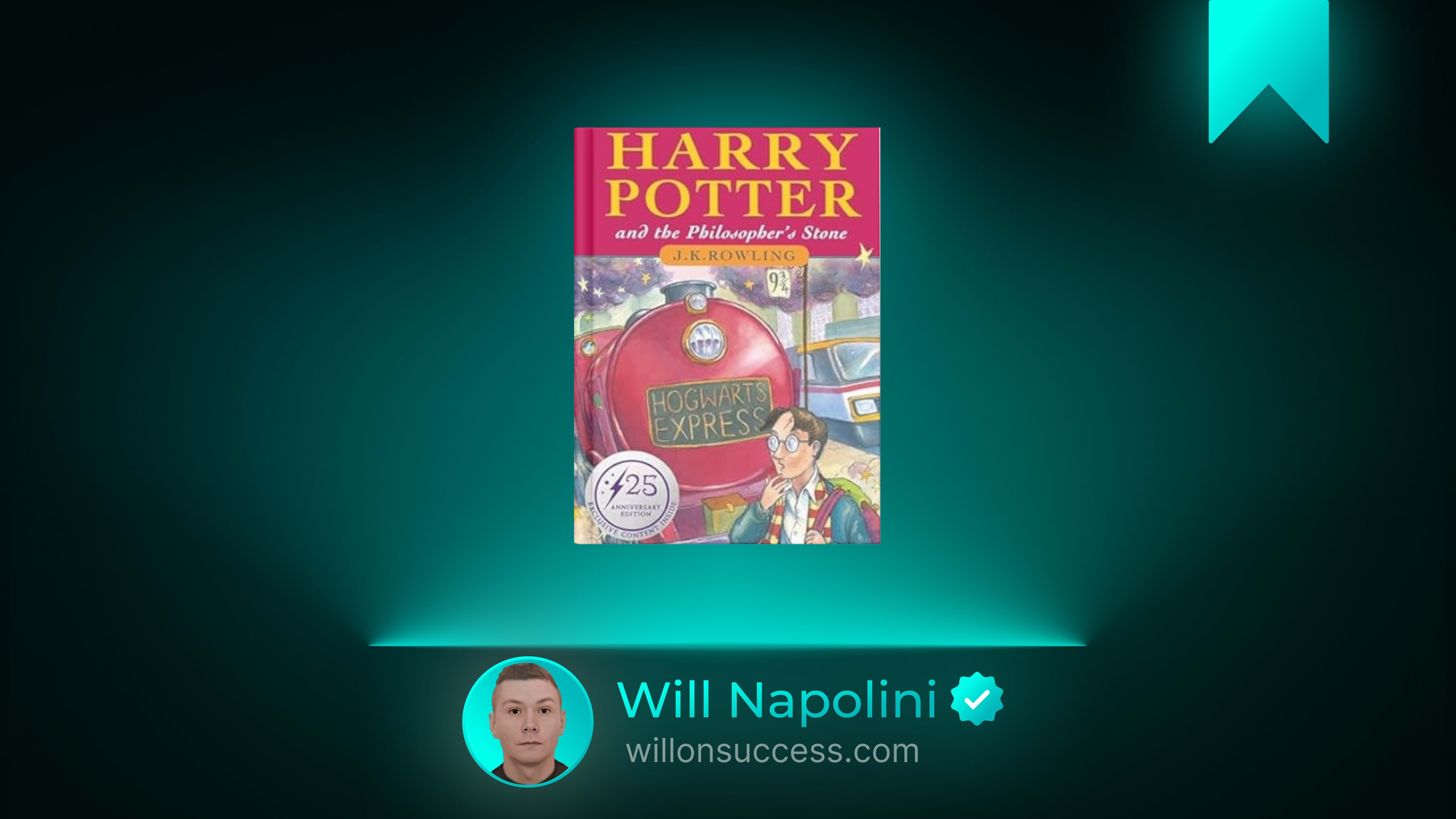
There is a quiet, specific kind of pain in realizing that the place you were supposed to belong is the very place keeping you small.
You know the feeling. It is the exhaustion of folding yourself into smaller and smaller shapes just to fit into a room that was not built for you. It is the slow, crushing realization that the people around you are not trying to help you grow; they are trying to prune you into something ordinary, something safe, something that does not make them uncomfortable.
If I could sit across the table from you, I would ask you to think about the spaces you inhabit. The jobs, the relationships, the routines. Do they make you larger? Do they ask you to bring your whole, strange, brilliant self to the table? Or do they demand that you hide your best parts in the dark, just to keep the peace?
There is a dangerous assumption hiding inside the way we think about our environments. We assume that because we started somewhere, we must stay there. We assume that the people who raised us, the industry that hired us, or the city that holds us have the final say on who we are allowed to become.
What if the most important moment of your life is not when you finally fit in, but when you finally realize you were never meant for the cupboard they put you in?
The Big Idea
J.K. Rowling’s Harry Potter and the Sorcerer’s Stone is universally celebrated as the magical beginning of a beloved fantasy series. But beneath the flying broomsticks and the moving staircases, it is a profound story about the agonizing, beautiful transition from being hidden to being seen.
The central thesis of the book is that belonging is not something you inherit; it is something you discover. It teaches us that you cannot grow in an environment that is committed to keeping you small, and that the deepest, most protective magic in the world is not a spell you cast, but the invisible, unbreakable force of love and the choices you make when you finally step into your true world.
The Story and the Concept
The story begins in a place of aggressive normalcy. Harry Potter is an orphan forced to live with the Dursleys, a family whose greatest ambition is to be perfectly, aggressively ordinary. They do not approve of anything unusual, and they certainly do not approve of Harry. To keep him hidden, they force him to sleep in a dusty cupboard under the stairs. They give him their son’s discarded clothes, ignore his existence, and punish him for any sign of being different.
But as Harry’s eleventh birthday approaches, letters begin to arrive. Hundreds of them. They pour down the chimney, fill the kitchen, and chase the Dursleys across the country. The letters are invitations to Hogwarts School of Witchcraft and Wizardry. The Dursleys try everything to stop Harry from reading them, but finally, a giant named Hagrid breaks down the door, hands Harry his letter, and tells him the truth: he is a wizard, and he has a place waiting for him in another world.
When Harry steps into the wizarding world, he is entirely overwhelmed. He discovers he is famous. He discovers his parents left him a vault full of gold. He buys his wand, gets fitted for robes, and boards the Hogwarts Express.
At the school, he is sorted into a house, learns to fly, makes his first true friends, and discovers a magical mirror that shows his deepest desires. But he also discovers that a dark, parasitic evil is hiding inside the school, seeking an ancient stone that grants immortality. To save the school, Harry must face the darkness, relying not on his wealth or his fame, but on his courage, his friends, and the ancient protection left behind by his mother’s love.
The Danger of the “Normal” Environment
The Dursleys are not just mean; they are terrified. They are terrified of anything that cannot be explained, categorized, or controlled. To them, Harry’s magic is a disease. They put him in the cupboard under the stairs because they want to hide the fact that he is extraordinary. They want to stamp the magic out of him.
I have seen this happen in the lives of so many good people.
You grow up in a family that values conformity over curiosity. You enter a corporate culture that rewards obedience over innovation. You join a social circle that demands you keep your opinions quiet and your ambitions small. And slowly, you begin to believe that the problem is you. You begin to think that your magic—your creativity, your sensitivity, your drive—is a flaw that needs to be fixed.
So you get into the cupboard. You shrink. You apologize for being loud, for being smart, for wanting more than what is in front of you.
But you cannot grow in a place that is committed to keeping you small.
Responsibility before excuses means recognizing when you are staying in a cupboard out of habit. It is easy to blame the Dursleys for locking you in, but eventually, you have to realize that you are the one holding the key. You have to look at the environment that is pruning you into something ordinary and make the terrifying decision to demand your letter.
Leaving a familiar environment is one of the hardest things a person can do. It means risking the approval of the people you have always known. But if you want to discover who you actually are, you must be willing to walk out of the house that told you to be quiet.
The Sorting Hat and the Courage to Choose
When Harry arrives at Hogwarts, he faces one of the most anxiety-inducing moments of his young life: the Sorting Ceremony. A magical hat is placed on the heads of the first-year students, and it announces which of the four houses they will belong to for the rest of their time at school.
The Sorting Hat looks inside Harry’s mind. It sees his courage, his bravery, and his thirst to prove himself. But it also sees something else. It sees the potential for Slytherin, the house associated with dark wizards and ruthless ambition.
The Hat hesitates. It suggests Slytherin could be the path to greatness.
And Harry, terrified of everything he has heard about that house, whispers a simple, desperate plea: Not Slytherin.
The Hat listens. It respects the choice. And it places him in Gryffindor.
This is the exact moment the book shifts from a story about magic to a story about character.
We are all handed labels. The people around us look at our backgrounds, our talents, and our fears, and they decide where we belong. You are the quiet one. You are the troublemaker. You are the one who always quits. You come from a broken family, so your relationships will be broken too.
But your origins are the soil you came from; they are not the ceiling of your sky.
Character before circumstances means understanding that you are not a passenger on a train that has already chosen its destination. You are the one holding the ticket. You have the right to look at the path you are expected to take, and say, Not that one.
You get to choose your house. You get to choose your character. And the world, much like the Sorting Hat, will eventually respect the choice you make.
The Mirror of Erised: The Trap of the Unlived Life
About halfway through the book, Harry discovers a hidden room containing a magnificent, gold-framed mirror. When he looks into it, he does not see his own reflection. He sees his dead parents standing behind him, smiling, alive, and full of love.
Harry becomes obsessed. He sneaks out of his dormitory every night just to sit in front of the mirror. He stops caring about his meals. He stops caring about his friends. He just wants to look at the reflection of the life he never got to live.
His mentor, Albus Dumbledore, eventually finds him in the dark. Dumbledore explains the nature of the mirror. It shows nothing but the deepest, most desperate desire of our hearts. But it is not real. It provides no truth, no comfort, only a beautiful, paralyzing illusion.
Dumbledore tells Harry to cover the mirror, and offers a warning that echoes through the rest of the series: It does not do to dwell on dreams and forget to live.
If we are honest, we all have a Mirror of Erised.
We scroll through other people’s highlight reels and dream of the career we haven’t started. We stare at the wall and fantasize about the relationship that will magically fix our loneliness. We plan the perfect business, the perfect body, the perfect life, but we never actually lift a finger to build it.
Fantasy is a beautiful place to visit, but it is a terrible place to live.
Action before intention is the principle that saves us from the mirror. Dreaming about the life you want is the first step, but if you never look away from the glass, the dream becomes a cage. You must pull yourself away from the reflection of what you lack, and turn your eyes toward the hard, unglamorous, messy work of building what you actually want.
The mirror will never love you back. But the work will.
The Wealth of the Weasleys: What Actually Sustains You
When Harry enters the wizarding world, he is given a vault full of gold at Gringotts Bank. He buys new robes, a shiny broomstick, and endless sweets. For the first time in his life, he has material wealth.
But the book is very careful to show us that gold is not what saves him.
Harry’s closest friend is Ron Weasley. The Weasleys have no money. They wear hand-me-down robes, they eat secondhand sandwiches, and their house is falling apart. But when Harry visits their home, he is overwhelmed by the noise, the laughter, the fierce loyalty, and the chaotic, overflowing love.
Contrast this with Draco Malfoy, a boy who has endless wealth, elite status, and a powerful name, but who is entirely cold, lonely, and desperate for his father’s approval.
We spend so much of our lives chasing the Gringotts vault. We chase the salary, the title, the corner office, the status. We think that if we just accumulate enough resources, we will finally be safe. We think that achievement will build the fortress that protects us.
But when the dark comes, gold will not protect you.
Principles before hacks means understanding that the foundation of a resilient life is not built on acquisition; it is built on connection. The Weasleys have nothing in the bank, but they are rich in the only currency that matters when the storm hits. They have each other.
Harry’s ultimate protection in the book is not his wand, his broomstick, or his vault of gold. It is the ancient, sacrificial love his mother gave him when she died to save him. That love lives in his skin. It is the invisible armor that burns the darkness when it tries to touch him.
Build your life on the things that cannot be bought. Build it on loyalty, on sacrifice, on kindness, and on the people who will stand in the dark with you when the gold runs out.
Why This Matters in Your Life
You might be reading this and thinking, I am not hiding from dark wizards, and I do not have a vault of magical gold.
But you have your own cupboard. And you have your own mirror.
You are trying to build a life in a world that constantly pressures you to be perfectly normal. You are trying to figure out where you belong in a society that measures your worth by your productivity, your appearance, and your compliance. You are trying to heal from the places that told you your magic was a mistake.
If you try to navigate these challenges by staying hidden in the cupboard, waiting for someone else to break down the door and hand you your invitation, you will waste your life waiting for a train that has already left.
When you choose to step into your true world, you change the entire architecture of your future. You stop being the victim of your environment, and you become the architect of your own character.
In your career, this means you stop apologizing for your unique talents, and you start finding the room where those talents are celebrated. In your relationships, it means you stop trying to buy love with status, and start investing in the deep, unglamorous work of loyalty. In your personal growth, it means you finally realize that the magic you have been looking for was inside you the entire time.
You just needed to be brave enough to use it.
Practical Application
Understanding the philosophy of belonging and choice is valuable, but understanding without action changes nothing. If you want to stop shrinking in the cupboard and start casting your own spells, here is how you begin.
Name Your Cupboard Take out a piece of paper and write down the environments where you feel forced to shrink. Is it a specific job? A family dynamic? A friend group? Beside each one, write down exactly what part of yourself you are hiding in that space to keep the peace. You do not have to quit your job or move across the country today. You just have to see the bars of the cupboard clearly.
The Sorting Hat Moment Write down one label you have accepted about yourself that does not belong to you. I am bad at math. I am the family screw-up. I am not a leader. Look at it. Acknowledge that this is a suggestion, not a sentence. Today, make one small choice that contradicts that label. If you believe you are not a leader, speak up first in your next meeting. If you believe you are a screw-up, complete one task flawlessly. Vote for the house you actually want.
Walk Away from the Mirror Identify the fantasy you use to escape the hard work of your life. Is it scrolling social media for three hours? Is it daydreaming about a promotion you haven’t applied for? Set a timer for that escape. When the timer goes off, you must walk away from the glass. Do one real, unglamorous task that builds the life you actually want. Send the email. Write the paragraph. Do the push-ups.
Find Your Hogwarts You need a place where your “weirdness” is your greatest asset. Identify one community, class, group, or event where you can go this week and be around people who share your specific interest. You do not have to be the best in the room. You just have to be in the room.
Who Should Read This Book
Harry Potter and the Sorcerer’s Stone is essential reading for anyone who feels out of place in their own life. It is for the person waiting for permission to be themselves, the person hiding their talents to make others comfortable, and the person who is stuck in the fantasy of “someday” instead of doing the work today.
While it is a children’s book, its psychological depth regarding the need for belonging, the danger of conformity, and the power of choice is staggering. If you are looking for a dense, tactical manual on career advancement, this is not it. But if you need a story that will validate your uniqueness, challenge your excuses, and remind you that you have a seat waiting for you at the table, this book is a vital companion.
One Small Step
Today, I want you to identify one small action that honors your true nature, not the expectations of your cupboard.
Maybe it is wearing the color you love instead of the one you think is safe. Maybe it is speaking up about an idea you usually keep quiet. Maybe it is finally opening the letter you have been ignoring for months.
Do not wait for a giant to break down the door. Do not wait until you feel perfectly ready. Take one small, unauthorized step toward the world you were meant to inhabit.
You do not need to be ordinary to be worthy of love. You do not need the approval of the people who put you in the dark to find the light. You just need the courage to put on the hat, make your choice, and step onto the train.
The magic is not waiting for you to become someone else. The magic is waiting for you to finally become yourself.